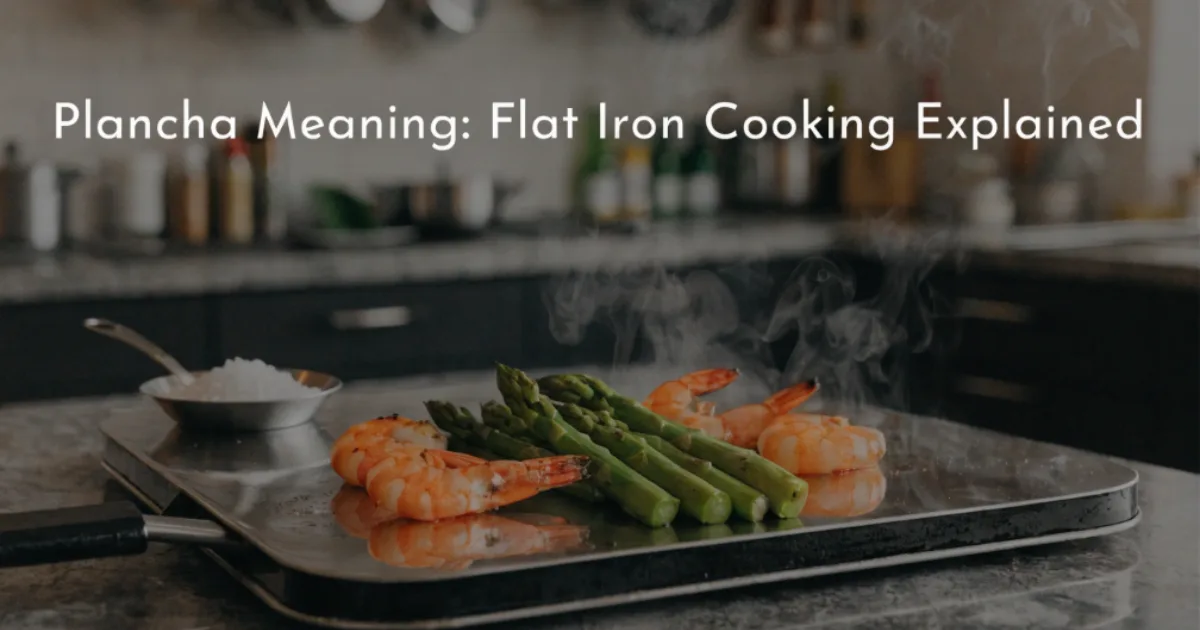
A plancha is a flat, smooth metal cooking surface that uses intense, even heat to sear food quickly — locking in flavor and moisture without the flare-ups of a traditional grill.
It’s Spanish for “metal plate” or “flat iron,” and it’s quietly becoming one of the most exciting cooking tools in American kitchens right now.
Ready to find out why? Let’s get into it.
What Does Plancha Mean and Where Does the Word Come From?
The word plancha comes directly from Spanish, meaning “plate” or “flat iron.”
It’s been a staple in Spanish and Latin American cooking for centuries. French chefs later adopted it, calling it à la plancha — meaning cooked on a flat iron plate.
Today, the term is used worldwide to describe:
- A flat-top cooking surface
- A specific high-heat cooking technique
- A style of food preparation focused on speed and simplicity
Think of it as the culinary crossroads where Spanish tradition meets modern American cooking culture.
The beauty of the word is that it describes both the tool and the method — and both are worth knowing.
What Exactly Is a Plancha and How Does It Work in the Kitchen?
A plancha is essentially a thick, flat metal plate — usually made from cast iron, carbon steel, or stainless steel — that gets screaming hot and stays that way.
Here’s what makes it special:
- Heat spreads evenly across the entire surface
- No open flame means no charring or flare-ups
- Food sears fast, creating a gorgeous crust while staying juicy inside
- Cleanup is dramatically easier than a traditional grill
You’ll typically find three main types:
Gas plancha — Common in professional kitchens. Heats up fast, precise temperature control.
Electric plancha — Perfect for indoor home use. Consistent heat, easy to manage.
Cast iron plancha — The old-school favorite. Retains heat beautifully, adds depth of flavor over time.
Each type works on the same principle: intense, direct, dry heat on a flat surface. Simple. Effective. Delicious.
More Posts:Chisme Meaning: More Than Gossip in Latino Culture
Plancha vs Grill vs Griddle — What’s the Real Difference?
This is the question most people Google first — and it’s a great one.
Here’s a quick breakdown:
| Plancha | Grill | Griddle | |
|---|---|---|---|
| Surface | Flat metal plate | Raised grates | Flat plate |
| Heat Source | Gas, electric, or induction | Charcoal or gas flame | Gas or electric |
| Flavor | Clean sear, natural | Smoky, charred | Mild, even |
| Best For | Seafood, veggies, thin cuts | Steaks, burgers | Pancakes, eggs |
| Flare-ups | None | Common | None |
The plancha sits somewhere between a grill and a griddle — but it’s hotter and more precise than either.
A griddle runs around 300–375°F. A plancha can hit 500°F or higher.
That difference in temperature is everything when it comes to getting that perfect sear.
What Foods Cook Best on a Plancha and Why Americans Love It?
Short answer — almost everything.
But some foods genuinely shine on a plancha:
Seafood Shrimp, scallops, fish fillets — the even heat cooks them fast without falling apart. No grill grates to worry about.
Vegetables Asparagus, zucchini, corn, peppers — they caramelize beautifully without getting mushy or charred.
Thin Cuts of Meat Skirt steak, chicken thighs, pork tenderloin — the high heat sear locks in juices instantly.
Breakfast Foods Yes, really. Eggs, bacon, hash browns — a plancha handles a full breakfast spread with ease.
Why are Americans falling for it? A few reasons:
- It’s faster than most cooking methods
- Less smoke indoors
- Easier cleanup
- Restaurant-quality results at home
According to culinary trend reports, flat-top cooking has seen a significant spike in home kitchen adoption since 2020 — and the plancha is leading that charge.
How to Use a Plancha Like a Pro Even If You’ve Never Tried It Before?
Good news — it’s easier than it looks.
Step 1: Preheat properly Give your plancha at least 10 minutes to reach full temperature. A drop of water should evaporate instantly on contact.
Step 2: Use the right oil Skip olive oil — it burns too fast. Go with avocado oil or grapeseed oil. High smoke point is key.
Step 3: Don’t overcrowd the surface Leave space between ingredients. Crowding drops the temperature and leads to steaming, not searing.
Step 4: Let it sear — don’t move it Place your food down and leave it alone for at least 60–90 seconds. That’s how you build a crust.
Step 5: Season and clean while warm After cooking, scrape the surface with a metal spatula while it’s still warm. A light coat of oil keeps it seasoned and ready for next time.
Common mistakes beginners make:
- Not preheating long enough
- Using too much oil
- Moving food around constantly
- Skipping the seasoning step on cast iron models
Avoid those four and you’re already cooking better than most.
More posts:What the Black Heart Emoji Really Means
Best Plancha Options to Buy in the USA Right Now for Every Budget
Whether you’re dipping your toes in or going all-in, there’s a plancha for every kitchen and budget.
Budget Pick (Under $50) A basic cast iron plancha grill plate that sits over your existing stove burners. Great for beginners. Heats well, built to last.
Mid-Range Pick ($50–$150) A countertop electric plancha with adjustable temperature control. Ideal for indoor cooking, family-sized surface, and easy cleanup.
Premium Pick ($150–$500+) A freestanding gas plancha for outdoor use. Professional-grade heat output, large cooking surface, and serious durability. A game-changer for backyard cooking.
Key features to look for before buying:
- Material — Carbon steel and cast iron hold heat best
- Surface size — Bigger isn’t always better; match it to your household size
- Temperature range — Look for models that reach at least 450–500°F
- Ease of cleaning — Removable grease trays are a big plus
Indoor or outdoor? If you cook year-round and love entertaining, go outdoor gas. If you want weeknight convenience, an electric countertop plancha is your best friend.
FAQ’s
What does plancha mean in English?
Plancha translates from Spanish to English as “metal plate” or “flat iron.” In cooking, it refers to a flat, smooth cooking surface used for high-heat searing.
Is a plancha the same as a griddle?
Not exactly. Both have flat surfaces, but a plancha operates at significantly higher temperatures — often 500°F or more — which creates a more intense sear. A griddle is generally used at lower heat for gentler cooking.
What is cooking à la plancha?
À la plancha is a French term meaning “cooked on a flat iron plate.” It refers to the technique of searing food on a very hot plancha surface with minimal oil.
Can you use a plancha indoors?
Yes. Electric planchas are specifically designed for indoor use and produce less smoke than grills. Carbon steel and cast iron versions can also be used on stovetops.
What’s the best material for a plancha?
Carbon steel and cast iron are the top choices. Both retain heat exceptionally well and develop a natural non-stick seasoning over time with proper care.
Is plancha cooking healthy?
Very much so. Because the plancha uses intense dry heat, food cooks quickly with minimal oil. Fat drains away from the food rather than pooling around it — making it a leaner cooking method overall.
A plancha isn’t just a cooking tool — it’s a technique, a tradition, and honestly, a game-changer once you try it.
Conclusion
Whether you’re searing shrimp on a Tuesday night or hosting a backyard cookout, this flat-top method delivers results that other surfaces simply can’t match.
Give it one try this weekend — your taste buds will do the rest.

As the admin of https://centomags.com, I craft engaging content that brings laughter, heartfelt wishes, and witty pickup lines. My passion lies in creating responses that connect, entertain, and spread joy across every interaction and occasion.